
Fuel Your Active Life
Discover comprehensive nutrition guides and educational resources designed for athletes, fitness enthusiasts, and anyone living an active lifestyle. Learn how proper nutrition powers your performance and recovery.
Filter by Category
Comprehensive Nutrition Guides
Pre-Workout Nutrition
Learn the optimal timing and composition of meals before exercise. Discover which foods provide sustained energy, how to time your intake for maximum performance, and which nutrients enhance endurance and strength.
Learn MoreRecovery Nutrition Strategies
Understand the science of post-exercise recovery through proper nutrition. Explore protein timing, carbohydrate replenishment, micronutrient needs, and anti-inflammatory foods that support muscle repair and adaptation.
Learn MorePersonalized Meal Planning
Design nutrition plans tailored to your activity level and fitness goals. Discover how to balance macronutrients, adjust portions based on training intensity, and create sustainable eating patterns for long-term athletic success.
Learn MoreHydration Science
Master the hydration strategies that optimize athletic performance. Learn about electrolyte balance, fluid timing protocols, how environmental conditions affect hydration needs, and the role of proper hydration in endurance sports.
Learn MorePerformance Food Science
Explore evidence-based information about foods that enhance athletic performance. Understand the nutritional profiles of superfoods, how specific nutrients support different athletic disciplines, and which foods provide measurable performance benefits.
Learn MoreNutrient Timing Guide
Discover the optimal windows for nutrient consumption throughout your day. Learn about anabolic windows, nutrient partitioning, how to synchronize eating with training schedules, and strategies that maximize muscle adaptation and recovery.
Learn MoreFeatured Resources
Explore our most comprehensive guides and articles about nutrition for active individuals. These resources cover the foundational concepts and advanced strategies you need to optimize your athletic nutrition.

Complete Guide to Macronutrients
Understand proteins, carbohydrates, and fats in the context of athletic performance. This comprehensive article explains macronutrient ratios, how to calculate your individual needs, and how to adjust based on training phases.
Read Article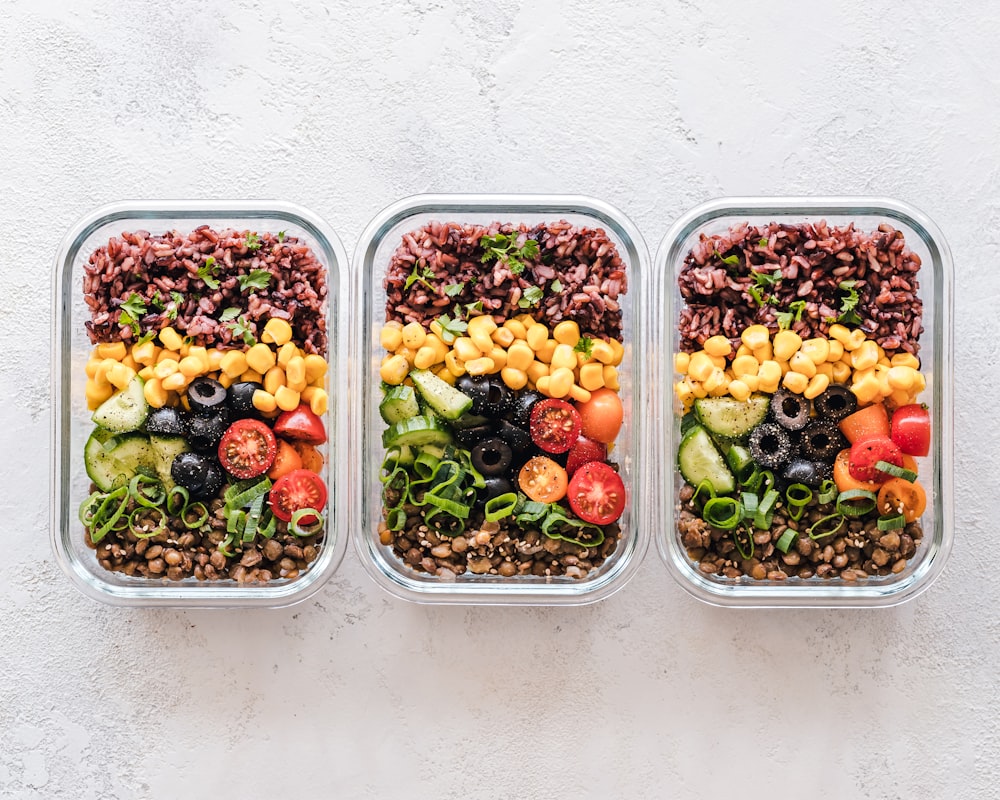
Recovery Protocols for Athletes
Master the art of post-exercise nutrition to accelerate recovery and adaptation. Learn specific strategies for different sports, how to structure your post-workout meals, and the nutrients most critical for muscle repair.
Read Article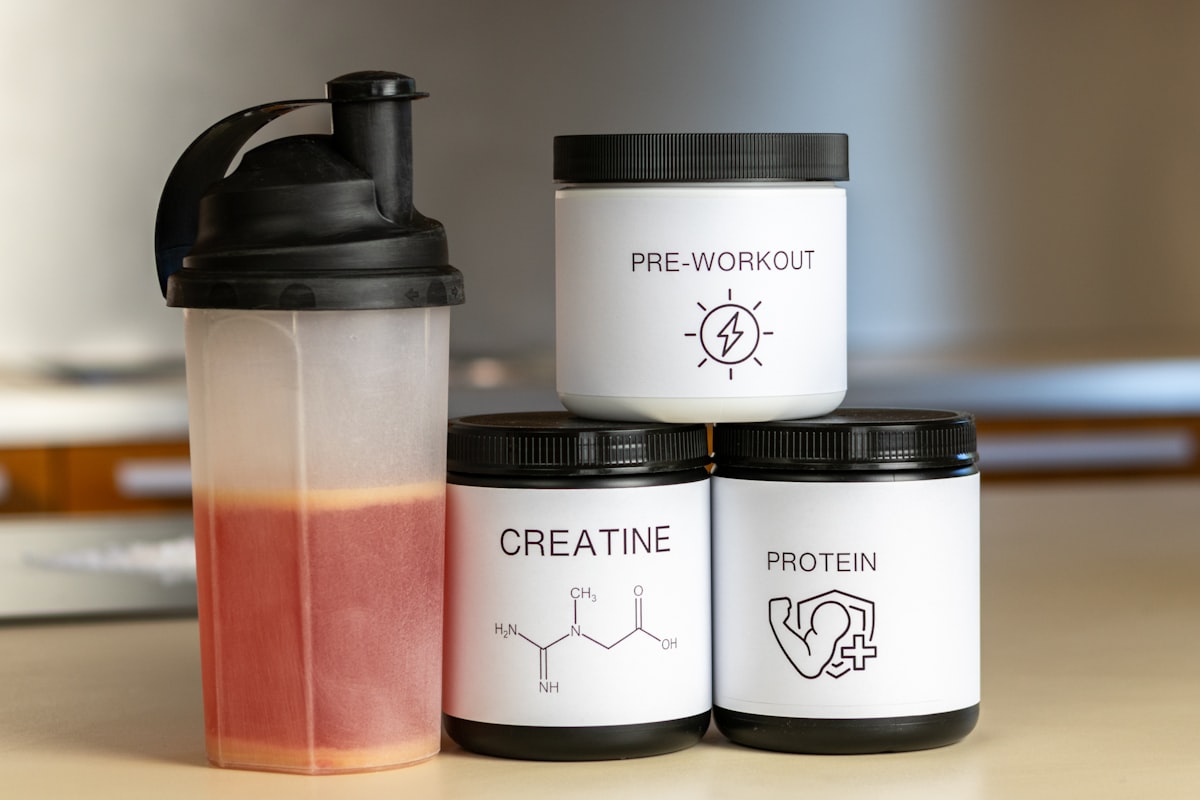
Meal Prep Strategies for Active Lifestyles
Implement effective meal preparation techniques that support consistent nutrition. Discover planning frameworks, storage solutions, batch cooking methods, and time-saving strategies for maintaining optimal nutrition throughout the week.
Read Article
Hydration for Endurance Athletes
Develop a personalized hydration strategy that maximizes performance and minimizes fatigue. Explore fluid intake guidelines, electrolyte timing, environmental adaptation strategies, and how to practice race-day hydration protocols.
Read ArticleCore Nutrition Topics
Strength Training Nutrition
Explore the specific nutritional requirements for resistance training, including protein strategies, creatine supplementation, caloric surpluses for muscle gain, and nutrient timing for strength development.
Endurance Sports Nutrition
Master the carbohydrate loading protocols, during-exercise fueling strategies, and recovery nutrition specific to long-distance running, cycling, triathlon, and other endurance disciplines.
Energy Management
Learn how to calculate your individual energy expenditure, manage caloric intake relative to training, and strategically manipulate energy availability to support your fitness goals.
Nutrition and Cognitive Function
Understand how specific nutrients support mental performance, focus, and decision-making in athletes. Explore brain-specific foods and their effects on reaction time and tactical performance.
Common Questions About Athletic Nutrition
Pre-workout nutrition timing depends on meal size and composition. For large meals containing significant protein and fat, consume 3-4 hours before exercise. Moderate meals work best 2-3 hours prior. Small snacks or liquid nutrition can be taken 30-60 minutes before training. The key is allowing sufficient digestion to avoid gastrointestinal discomfort while providing energy and nutrients for optimal performance.
Protein requirements for active individuals range from 1.2 to 2.0 grams per kilogram of body weight daily, depending on training intensity and type. Endurance athletes typically require 1.2-1.4 g/kg, while strength athletes benefit from 1.6-2.0 g/kg. Distributing protein across multiple meals (25-40g per meal) optimizes muscle protein synthesis. The specific amount should be personalized based on training phase, age, and individual goals.
Yes, plant-based diets can fully support athletic performance when properly planned. Key considerations include consuming adequate calories, combining complementary proteins for complete amino acid profiles, and ensuring sufficient micronutrient intake—particularly iron, vitamin B12, and zinc. Strategic use of plant-based protein sources like legumes, nuts, seeds, and whole grains ensures athletes meet protein requirements. Many elite athletes successfully perform on plant-based diets.
Nutrition should evolve with your training program. During high-volume training phases, increase caloric intake and carbohydrates to support energy demands. In strength-focused phases, prioritize adequate protein and maintain slight caloric surplus. During taper or recovery phases, reduce calories slightly while maintaining protein to preserve muscle. Periodizing nutrition alongside training periodization optimizes adaptation, performance, and body composition goals.
Critical micronutrients for athletes include iron (oxygen transport), zinc (immune function and protein synthesis), magnesium (muscle function and energy production), antioxidants like vitamins C and E (recovery and inflammation management), and B vitamins (energy metabolism). Calcium and vitamin D support bone health. Most micronutrient needs are met through varied whole foods. Athletes with restricted diets or high sweat losses may benefit from targeted supplementation based on individual assessment.
Maintain nutrition consistency during travel by planning ahead: pack portable whole foods like nuts, dried fruit, and protein bars; research restaurant options beforehand; communicate dietary needs clearly when eating out; stay hydrated throughout travel; and account for time zone changes in meal timing if necessary. Bring familiar foods that travel well to reduce gastrointestinal stress. The focus should be meeting your basic nutritional needs—perfection isn't possible or necessary during competitions.
Stay Updated with Our Latest Content
Subscribe to receive the latest nutrition articles, evidence-based guides, and practical tips delivered to your inbox.
We respect your privacy. Unsubscribe at any time.
Explore More Resources
Complete Article Library
Browse our extensive collection of in-depth articles covering every aspect of athletic nutrition from basic principles to advanced strategies.
Browse All Articles →Frequently Asked Questions
Find answers to the most common questions about sports nutrition, meal timing, supplementation, and performance optimization.
View All FAQs →Nutrition Tips Hub
Discover practical, actionable nutrition tips and strategies you can implement immediately to support your training and performance goals.
Explore Tips →